Allergic Rhinitis vs Non-Allergic Rhinitis
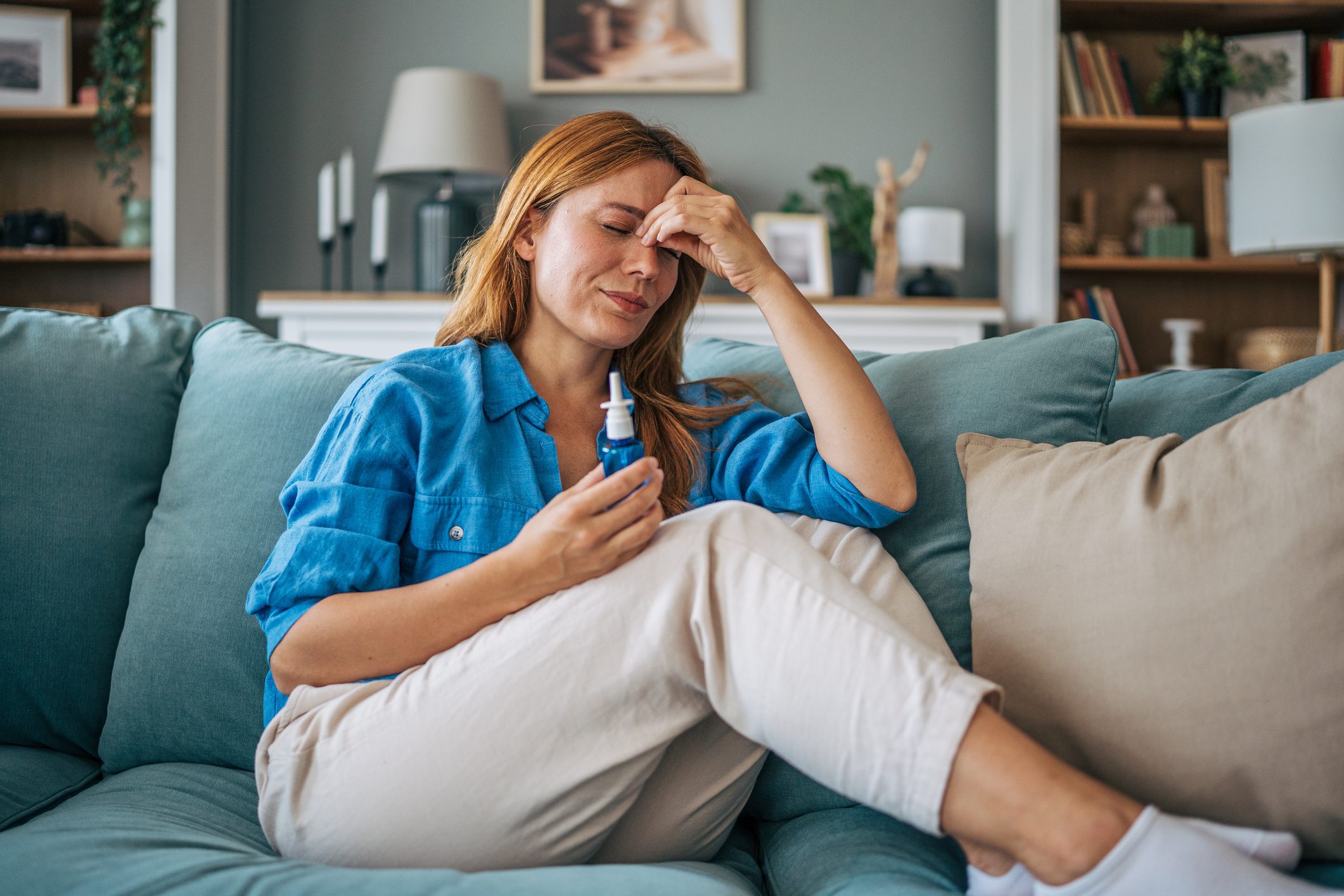
Rhinitis is the inflammation of the nasal passages. Symptoms include stuffy nose (nasal congestion), runny nose (rhinorrhea), dripping in the back of the throat (postnasal drip), sneezing or itchy nose. It may be associated with itchy, red or pink eyes, swollen eyelids, and tearing. It is often called hay fever, nasal allergies, seasonal allergies or simply allergies. When occurring during specific season it is called seasonal allergic rhinitis vs perennial allergic rhinitis when year-round.
Allergic rhinitis can be differentiated from non-allergic rhinitis with an elevation in antibodies (bullets released by your immune system) called IgE that binds to allergens (the enemy.) Allergens could be pollen, mold, pet dander, dust mites, grass and more. If there is no evidence of any of these enemies, it is called non-allergic rhinitis. Non-allergic rhinitis can also be referred as vasomotor rhinitis, intrinsic rhinitis, and idiopathic rhinitis.
Sleep disturbance is one of the many problems with rhinitis. One in four Americans report the inability to sleep through the night without waking up, due to symptoms. A decreased sense of smell is another common issue and causes the inability to taste and enjoy food. On a more severe scale, allergic rhinitis is associated with attention deficit hyperactivity disorder, anxiety, depression, lower exam scores, reduced athletic performance, and lower self-esteem. Patient affected by the condition have a higher risk to develop sinus and ear infections. Asthmatics may see their symptom worsening if triggers are environmental allergens.
Rhinitis puts an enormous burden on the society. In the United States alone, it generates $3-4 billion in medical expenses annually. Studies have shown that affected individuals miss between 1 and 10 workdays per year.
Why is Allergic Rhinitis More Commo Now
According to FoodAllergy.org, the overall prevalence of all types of allergies has increased significantly over the past 50 years, with over 50 million Americans now suffering from allergies annually. Food allergies in U.S. Children increased by 50% between 1997-2011 and again by 50% between 2007-2021. As of 2024, nearly 3 in 10 U.S. residents report a seasonal allergy, eczema, or food allergy. Women are more likely to experience allergies compared to men, and low-income populations are at higher risk compared to those in opulent neighborhoods.
Though the reasons behind this elevation are still being investigated, there is a high suspicion that the negative changes in our environment and/or lifestyle (ie. Decline in air, water and food quality to only cite a few) may play a key role. The hygiene hypothesis was also formulated and suggests that fewer infections in childhood due to our overtly antiseptic environment could be responsible for the rise in allergic diseases. Even though vaccines and antibiotics have decreased the burden of infectious diseases, hygiene remains the first line of defense when new diseases emerge (ie. Ebola, Covid-19, the Flu.) With antibiotic resistance being a mounting concern worldwide, proper hygiene remains one of the best ways to prevent the spread of bacteria in hospitals and communities.
A 2009 research in South Korea demonstrated that exposing tree to higher levels of carbon dioxide caused a rise in pollen production when compared to those exposed to lower levels. In addition, the pollen grains from the cohort with higher carbon dioxide contained more proteins on the outer shell of the pollen, which means a higher potential to create an allergic reaction. This means that greenhouse gas emissions may have triggers longer pollen seasons which in turns means longer and more severe allergic symptoms.
Management and Treatment Options
When specific allergens are identified, reduced exposure to them is one option. Medications and allergen immunotherapy are additional ways to control the symptoms. It is important to mention that oral antihistamine medications do not work as well for non-allergic rhinitis, but nasal sprays containing antihistamines may be helpful. Rinsing the sinus the sinuses with saline water can help any form of rhinitis by removing mucus, allergens, and irritants from the nasal passages. Using nasal saline enhances the efficacy of other medications as they will make more direct contact with the walls of the nasal passage instead of snot (ie. Nasal spray.) Do not use straight tap water as it could potentially cause a severe infection! Sterile water, distilled water or previously boiled and cooled tap water are good alternatives.
Allergen immunotherapy is solely indicated for allergic rhinitis. It is unfortunately inefficient in non-allergic rhinitis. Wearing a KN95 or N95 mask can effectively filter most allergens. Avoiding carpets and fans at home is recommended as they trap various indoor allergens. If removing the carpet is not an option, vacuuming once or twice a week helps to keep allergens levels low.
Encasing mattresses and pillows with covers that contain plastic or impermeable fabric reduces dust mite allergens and bedding should be washed at least once a week at 130F. Straightening the bed immediately upon waking up may trap moisture that will promote the rise in dust mite allergens. Wait a few hours before making your bed so the moisture dries out more effectively.
Reducing indoor humidity to below 50% helps reduce dust mite and mold allergens. If mold is identified at home, professional help may be required for removal. Furthermore, pest management helps preventing cockroach and rodent allergens. Cleaning regularly and enclosing all food sources will help prevent an accumulation of allergens.
Controlling pet allergens is trickier. A few things that can done is vacuuming regularly, using a HEPA air purifier, and regularly bathing said pet. Animals should not be sleeping in the bedroom as it leads to prolonged exposure. Make sure to wash hands and face after playing with an animal.
When the weather is hot, dry, and windy, the pollen counts tend to be higher than on days when it is raining. Keeping windows and doors closed during pollen season and having a HEPA filter in the air-conditioning unit help reduce the amount of pollen entering your home. When returning from a trip outside, keep the shoes in one area of the house and change the clothes immediately. Bathing at night help wash off the allergen on the body.
Reference: Rubin, Zachary, MD. All About Allergies. Penguin Random House, 2026.