Sub-Total: $0.00
About Our Patient Empowerment

Dr. Agnes Nyeck
Founder
Founder
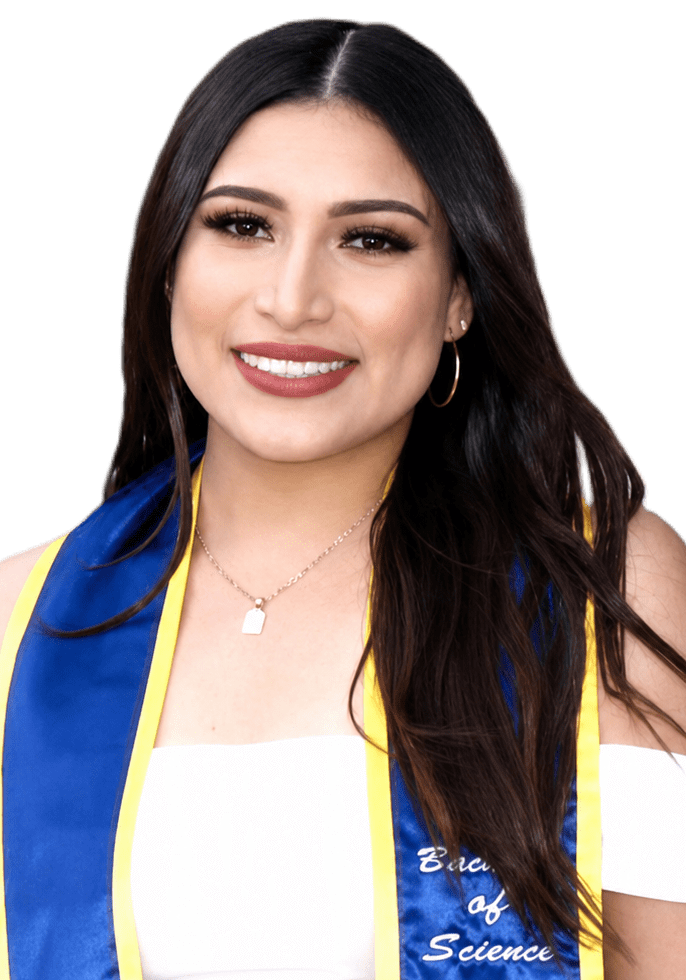
Lisette Cuchilla
Co-Founder
Co-Founder
Our Mission: Educate One. Empower Many
Healthcare as easy as 1,2,3 is now a reality.
Navigating today’s oversaturated information landscape is a dauting challenge, and unfortunately poor health literary is one of the major contributors to negative health outcomes in the United States. At Coffee Clinic we are striving to provide you with all the information you need to care for yourself and your loved ones.
Moreover, as residents of the central valley and first-hand witness of the glaring health disparity existing in this region, we are committed to improve the quality of care in our community. Supporting us means investing in the people who for the most part, work tirelessly every day to feed the rest of the country.
Why the Central Valley
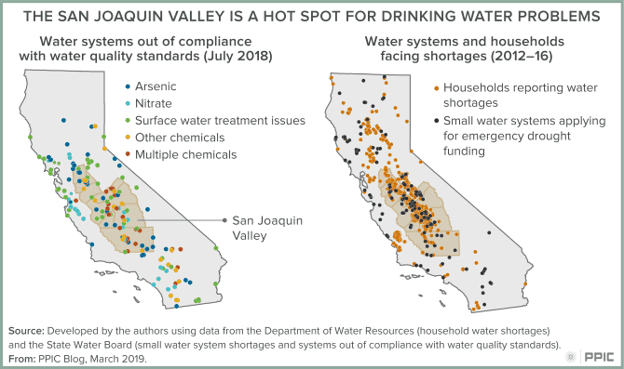
The San Joaquin Valley, located in California, is an agricultural powerhouse and comprises of 8 counties: San Joaquin, Stanislaus, Merced, Madera, Fresno, Tulare, Kings and Kern.
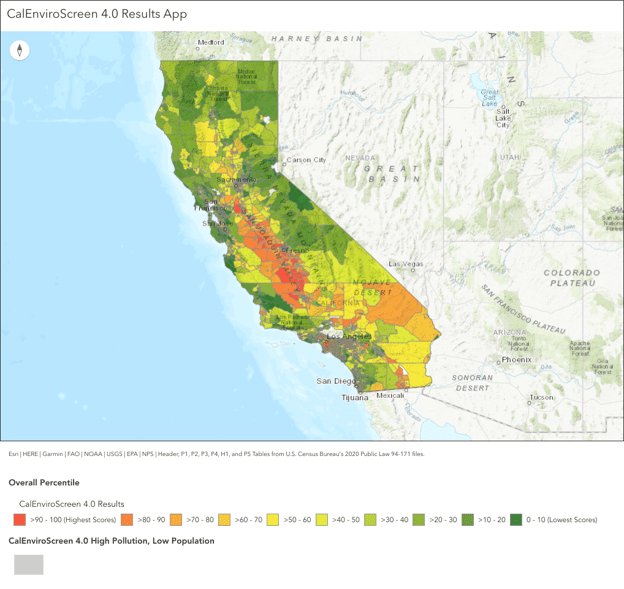
Sadly, this region faces significant environmental challenges. The air quality is among the worst in the United States, primarily due to emissions from agricultural activities, vehicle traffic, and industrial operations. High levels of particulate matter (PM2.5), ozone, and nitrogen dioxide are prevalent in this area. Studies indicate that the valley frequently exceeds federal air quality standards leading to increased respiratory ailments. The water quality is an equally critical issue in this area. Agricultural runoff containing pesticides, fertilizers, and heavy metals contaminates surface and groundwater sources. This pollution poses risks to human health, particularly through drinking water and irrigation systems.

Research confirms the exposure to air and water pollution in the San Joaquin Valley has resulted in several adverse health outcomes. Common findings include higher incidences of respiratory disorders (ie. Asthma, bronchitis, COPD etc.), cardiovascular diseases (ie. Heart failure, heart attacks and strokes), reproductive health problems (ie. Low birth weight, preterm birth and developmental issues in children) and an overall increased mortality rate.
To add insult to injury, education metrics in the Valley historically lag behind California state averages. According to Measure of America, approximately 76.1% of adults (25+) in the San Joaquin Valley hold a high school diploma with only 18% holding a bachelor’s degree. The region often ranks at the bottom of national studies for education, with cities like Modesto and Stockton appearing in lower rankings. However, there is a strong correlation between low education and the prevalence of adverse health outcomes. This means addressing educational disparities is essential to improve the community’s health.
Our Plan
Coffee Clinic will provide regular outpatient care such as regular checkups, preventive visits, diagnostics tests, immunizations, treatment for acute diseases, management of chronic illnesses, and specialized services such as HIV treatment, obesity and addiction treatment.
The coffee shop will serve as a platform to host health-related events, workshops and informational sessions to educate the community on various health topics while promoting the clinic’s services. It will include healthy menu options to reinforce the importance of nutrition and wellness, and part of the profits will be allocated to the clinic’s operational costs.
In addition, we intend to collaborate with local organizations, healthcare clinicians and community members to further support and overall enhance the well-being of our diverse community.
Care Principles and Core Values
The core values are built around improving access to knowledge, supporting informed decision-making, and strengthening trust in healthcare interactions. Every principle reflects a commitment to education, clarity, and patient confidence.

Education-driven care approach.
-
Transparency in communication.
-
Respect for patient autonomy.
-
Commitment to preventive focus.
Wellness Driven Care Perspective
A supportive care model focused on education, clarity, and everyday wellness integration.